
In the last decade, Artificial Intelligence (AI) has transformed industries from banking to entertainment. But one of its most promising frontiers is healthcare—and more specifically, drug discovery. From predicting protein structures to generating novel molecules, AI is reinventing how we find cures.
🔍 The Problem with Traditional Drug Discovery
Drug discovery is expensive, slow, and inefficient.
- 💸 Average Cost: $2.6 billion per approved drug
- ⏳ Timeline: 10–15 years from lab to market
- 💔 Failure Rate: Nearly 90% fail in clinical trials
Traditional methods rely on laborious lab experiments and trial-and-error testing. This slows progress—especially when the world urgently needs treatments for conditions like cancer, Alzheimer’s, and rare diseases.
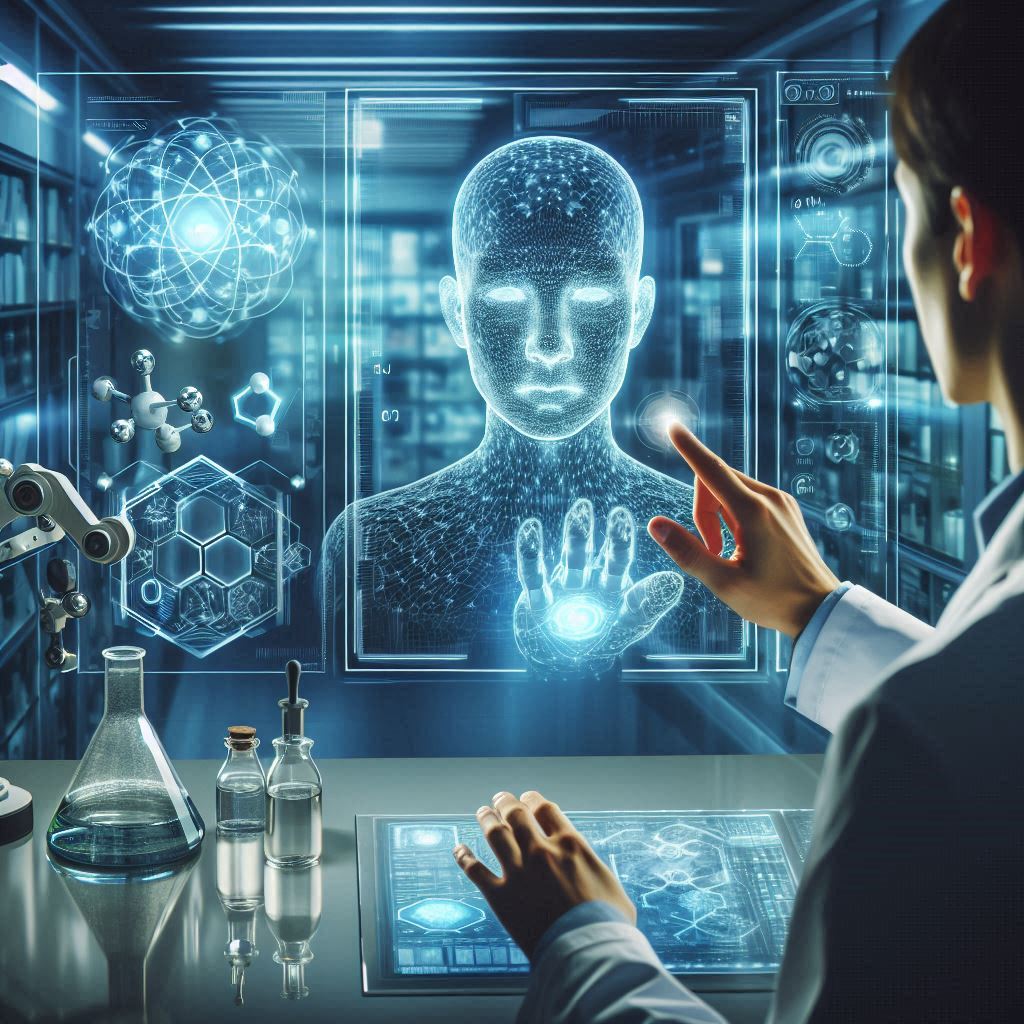
“AI is the catalyst transforming drug discovery across the globe“
🤖 How AI is Reshaping Drug Discovery
AI doesn’t just make things faster. It makes them smarter.
💡 Core Applications of AI in Drug Discovery:
- Target Identification: Finding genes or proteins linked to diseases
- Molecule Generation: Creating new drug-like compounds
- Binding Prediction: Simulating how molecules bind to disease targets
- Toxicity Prediction: Flagging side effects early in the pipeline
Unlike human researchers, AI can process millions of data points per second—across genomics, chemistry, and clinical studies—to identify viable drug candidates in weeks.

“AI speeds up compound screening and target prediction using complex datasets.”
🧪 Real-World Success Stories
🔬 1. AlphaFold by DeepMind
AlphaFold solved the 50-year-old protein folding problem, predicting 200 million+ protein structures.
- Impact: Researchers use this database to design drugs for cancer, Parkinson’s, and antibiotic resistance.
💊 2. Insilico Medicine
Their AI-generated molecule INS018_055 went from design to Phase 2 human trials in under 30 months—half the industry average.
- Focus: Fibrotic diseases, cancer, and aging.
🧠 3. Recursion Pharmaceuticals
Uses AI + high-throughput imaging to analyze cell behavior and identify drug candidates for rare diseases.
- Valuation: Over $1.5B, with collaborations with Bayer and Roche.
📈 Traditional vs AI-Driven Pipeline
| Stage | Traditional Time | AI-Accelerated Time |
|---|---|---|
| Target Identification | 2 years | Weeks |
| Molecule Screening | 3–4 years | Months |
| Preclinical Testing | 3 years | 1–2 years |
| Clinical Trials | 5–7 years | 2–5 years (with modeling) |
✅ Result: AI shortens drug discovery timelines from over a decade to under 3–5 years.
⚖️ Benefits and Challenges of AI in Drug Discovery
✅ Benefits
- ⏱️ Speed: Saves years in preclinical discovery
- 💰 Cost-Efficient: Reduces R&D expenditure
- 🧠 Data-Driven: Improves accuracy of drug target prediction
- 📉 Fewer Failures: AI predicts toxicity and inefficacy early on
⚠️ Challenges
- Data Quality: Poor or biased data can skew results
- Ethics: Who owns an AI-created drug molecule?
- Regulation: AI-generated compounds require new validation standards
🔮 What’s Next for AI in Pharma?
AI in drug discovery is just the beginning. The next big shifts include:
- Generative AI for molecule creation: Think ChatGPT for chemistry
- Digital Twins for trial simulation: Virtual patients for precision medicine
- Federated Learning: Training models on secure datasets without data sharing
- Explainable AI: Transparent models to meet FDA and EMA regulations
🧪 Pfizer used AI to model digital twins in their COVID-19 vaccine development, accelerating trial design and improving outcomes.
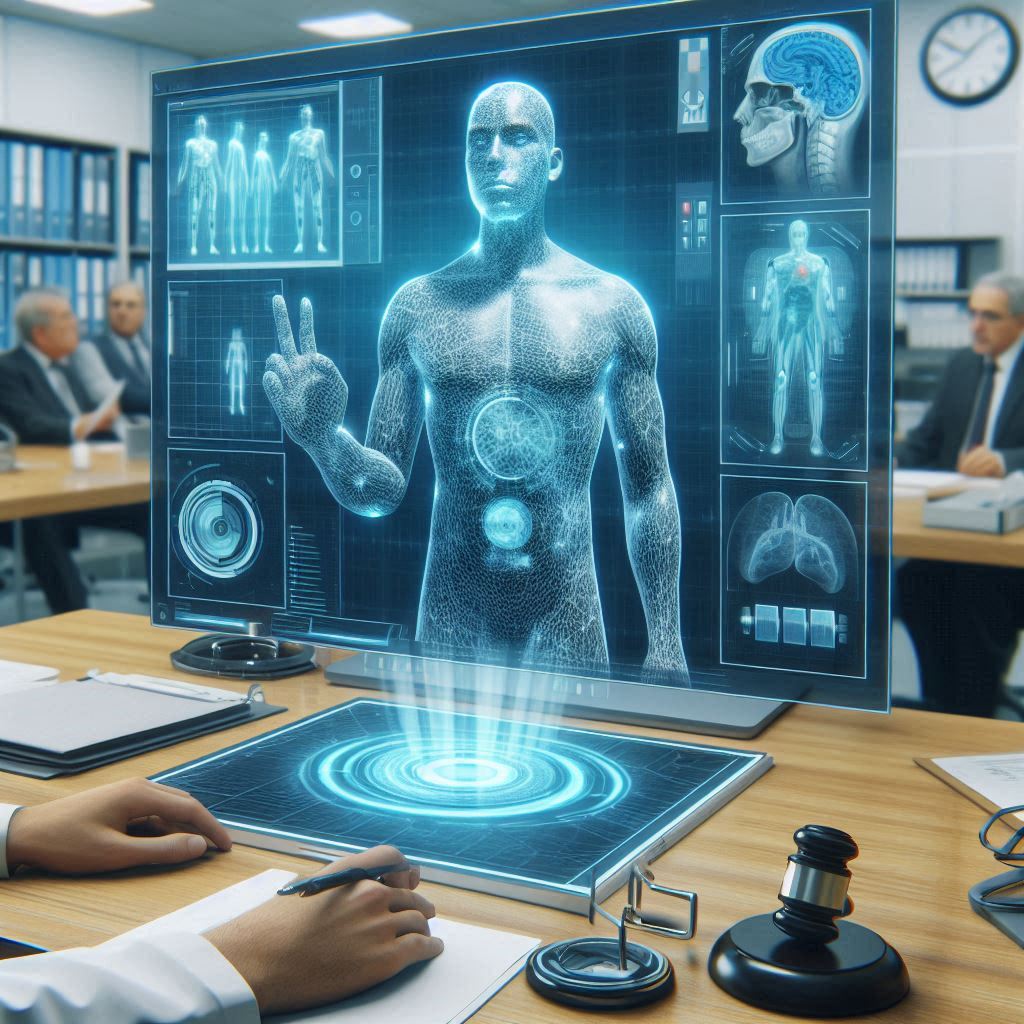
“AI enables patient-specific trial designs and faster regulatory approvals.”
📚 Final Thoughts
The fusion of AI and drug discovery is more than a trend—it’s the future of medicine. With AI, we’re not just speeding up discovery. We’re entering an era of precision-driven, patient-centric drug development that’s faster, cheaper, and more effective.
As researchers and regulators align, the next blockbuster drug might not come from a lab bench—but from an algorithm.