
Tesla has become synonymous with innovation, pushing the boundaries of artificial intelligence (AI) to redefine the future of transportation. From self-driving technology to AI-driven manufacturing, Tesla’s AI services are at the heart of its success. In this blog, we’ll explore how Tesla is leveraging AI to create smarter, safer, and more efficient vehicles.
1. Full Self-Driving (FSD): The Future of Autonomous Vehicles
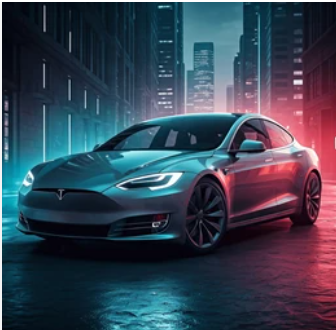
Tesla’s Full Self-Driving (FSD) technology is one of the most advanced AI-driven systems in the automotive industry. Unlike traditional cars, Tesla vehicles rely on a neural network that continuously learns from real-world driving scenarios, improving their autonomous driving capabilities over time.
🔹 Example: Tesla’s AI-powered Autopilot and FSD can recognize traffic signs, detect pedestrians, and navigate through complex city streets using cameras and deep learning algorithms.
🔹 Example: The Tesla Vision system replaces radar-based sensors with AI-powered cameras, processing massive amounts of real-time data to ensure safer driving decisions.
How it Works:
- Tesla’s AI model is trained using millions of miles of real-world driving data.
- The Dojo Supercomputer, developed by Tesla, enhances AI training, enabling real-time decision-making improvements.
- Tesla updates its AI models via over-the-air (OTA) software updates, allowing continuous enhancements without requiring new hardware.
2. AI in Tesla’s Manufacturing and Supply Chain Optimization
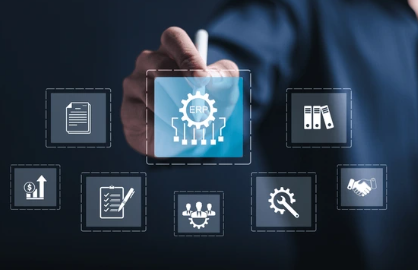
Tesla isn’t just using AI in its vehicles; it also relies on AI to optimize manufacturing and supply chain management. AI helps Tesla improve production efficiency, reduce waste, and streamline logistics.
🔹 Example: Tesla’s Gigafactories use AI-driven robotics to assemble cars with high precision, reducing defects and improving production speed.
🔹 Example: AI-powered predictive analytics help Tesla forecast demand and optimize battery production, ensuring a steady supply of raw materials.
How AI is Transforming Tesla’s Production:
- Computer vision inspects and detects defects in car assembly.
- AI-powered robots automate repetitive tasks, increasing efficiency.
- Machine learning algorithms predict maintenance issues, minimizing production downtime.

3. Tesla’s AI-Powered Energy Solutions
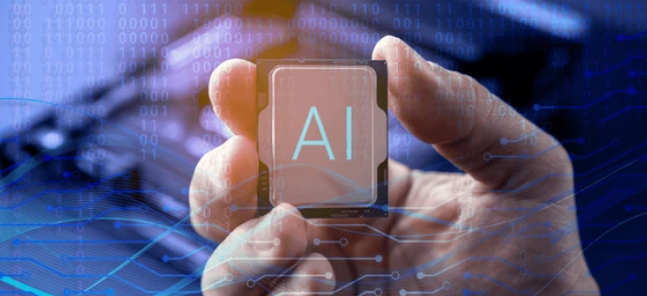
Tesla isn’t just about electric vehicles; its AI-driven energy solutions are changing how we use and store energy. AI plays a significant role in optimizing energy consumption, grid stability, and battery performance.
🔹 Example: The Tesla Powerwall and Powerpack use AI to analyze energy usage patterns, optimizing home and business electricity consumption.
🔹 Example: Tesla’s Autobidder AI helps energy companies trade renewable energy efficiently, maximizing profits while ensuring grid stability.
How AI Enhances Tesla’s Energy Services:
- Smart energy management adapts power usage based on real-time demand.
- Battery health monitoring predicts maintenance needs, extending battery lifespan.
- AI-driven grid balancing prevents power shortages and blackouts.
4. Tesla’s AI-Powered User Experience and Safety Features
Tesla’s AI-driven services extend beyond automation and manufacturing; they also improve the user experience and enhance vehicle safety.
🔹 Example: Tesla’s Driver Monitoring System (DMS) uses AI-powered cameras to track driver attentiveness and issue alerts if the driver is distracted.
🔹 Example: Tesla’s Smart Summon feature allows cars to navigate parking lots autonomously using AI-based spatial awareness.
AI Features Enhancing Tesla’s User Experience:
- Natural language processing (NLP) enables voice-controlled interactions with the vehicle.
- Personalized driver profiles adjust seat positions, climate control, and entertainment preferences using AI.
- AI-powered accident prevention detects and reacts to potential hazards faster than human drivers.
5. The Future of AI in Tesla: What’s Next?
Tesla continues to push the boundaries of AI, with several groundbreaking advancements on the horizon.
🔹 Tesla Robotaxi Network: Elon Musk has hinted at an autonomous ride-hailing service where Tesla cars operate as self-driving taxis. AI will manage fleet optimization, pricing, and safety monitoring.
🔹 Tesla Bot (Optimus): Tesla’s AI-powered humanoid robot, Optimus, is being developed to automate tasks, assist in manufacturing, and even provide household assistance.
🔹 Advanced AI for Traffic Management: Tesla aims to integrate AI with city infrastructure, improving traffic flow and reducing congestion.
Conclusion: Tesla’s AI Services Are Leading the Future of Mobility
Tesla’s use of AI extends far beyond self-driving cars—it’s transforming manufacturing, energy management, and user experience. With AI at its core, Tesla is paving the way for an autonomous and sustainable future. As AI technology continues to evolve, Tesla’s innovations will shape the next generation of smart vehicles and energy solutions.