
Generative Artificial Intelligence (AI) is revolutionizing the digital landscape by enhancing content creation, automating workflows, and driving innovation across multiple sectors. With advancements in deep learning and large language models (LLMs), generative AI can produce human-like text, hyper-realistic images, complex code, and even original music compositions. Businesses, marketers, and developers are increasingly leveraging AI-powered tools to optimize efficiency, boost creativity, and streamline operations. Let’s explore the most impactful applications of generative AI and how it’s shaping the future.
What is Generative AI?
Generative AI refers to artificial intelligence models capable of autonomously creating new content based on vast datasets and learned patterns. Unlike traditional AI systems that focus on classification and recognition, generative AI produces unique outputs that mirror human creativity. Leading AI-driven tools include OpenAI’s GPT-4 for natural language processing, MidJourney and DALL·E for image generation, and DeepMind’s AlphaCode for automated software development.
Trending Applications of Generative AI
1. AI-Driven Content Creation & SEO Optimization
Content marketers and businesses are utilizing AI-powered writing assistants like Jasper, Copy.ai, and ChatGPT to craft compelling ad copy, blog posts, and website content optimized for search engines. These tools analyze trending keywords, improve readability, and enhance user engagement, helping brands stay ahead in competitive markets.

2. AI-Generated Visuals & Branding
Graphic designers and advertisers are leveraging AI-generated images and videos for branding, product design, and digital campaigns. Platforms like MidJourney, Stable Diffusion, and RunwayML create hyper-realistic visuals, allowing businesses to develop marketing materials without costly photoshoots or extensive design expertise.
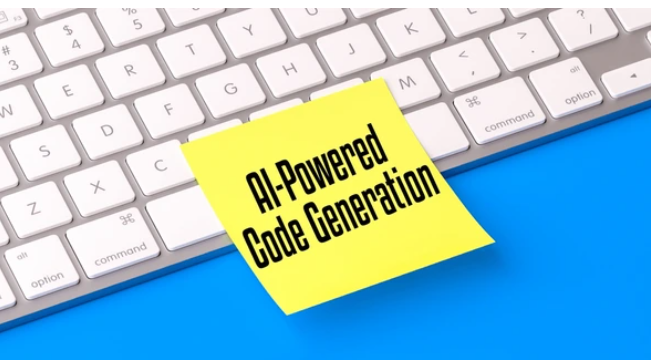
3. AI-Powered Code Generation & Automation
Developers are using AI coding assistants like GitHub Copilot and DeepMind’s AlphaCode to automate coding tasks, suggest bug fixes, and generate full-fledged applications. These tools accelerate software development, reduce manual effort, and enhance overall productivity.
4. Healthcare AI: Drug Discovery & Diagnostics
Generative AI is making significant strides in the healthcare sector by expediting drug discovery, improving medical diagnostics, and personalizing treatment plans. Companies like Insilico Medicine and DeepMind’s AlphaFold are revolutionizing pharmaceutical research by predicting molecular structures and identifying potential drug candidates faster than ever before.
5. EdTech & Personalized Learning
The education sector is embracing AI-powered tutors, interactive course material generation, and personalized learning experiences. AI-driven platforms like ScribeSense and Quizlet use generative AI to automate assessments, enhance student engagement, and tailor curriculum based on individual learning needs.
The Future of Generative AI
The rapid evolution of generative AI is opening doors to endless possibilities across industries, including entertainment, gaming, virtual reality, and financial modeling. As businesses increasingly adopt AI-driven solutions, addressing ethical considerations such as misinformation, data privacy, and AI transparency remains critical.
Generative AI is not just a passing trend—it’s a game-changing technology redefining creativity, efficiency, and automation. Companies and individuals that embrace AI-powered innovations will lead the next wave of digital transformation and unlock unparalleled growth opportunities.